BHARAT-EU | Renewable Hydrogen from Biogenic Waste
European Union flag Funded by the European Union under grant agreement No. 101269621.
EU–India Research & Innovation

Renewable hydrogen from biogenic waste

BHARAT-EU develops innovative and sustainable pathways for converting agricultural, forestry, industrial and municipal biogenic residues into renewable hydrogen, ultrapure CO₂ and biogenic solid carbon.

48Months
22Partners
10Countries
€9.3MFunding
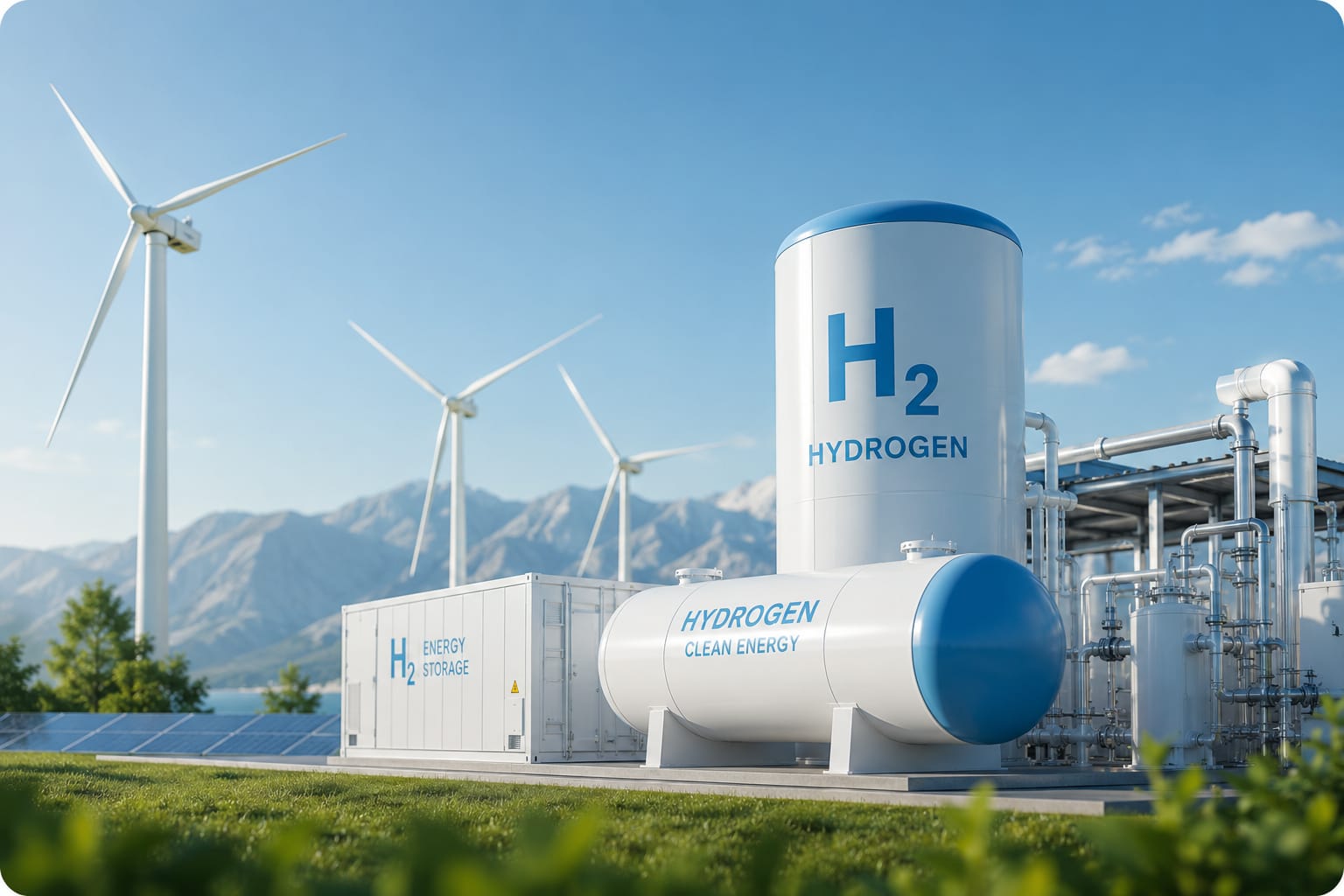
Renewable hydrogen production facility
TRL 5Demonstration in a relevant industrial environment
About BHARAT-EU

A sustainable, safe and scalable renewable hydrogen solution

BHARAT-EU develops and demonstrates a novel waste-to-renewable-hydrogen process concept, combining mature and emerging biochemical and thermochemical technologies.

The project covers the entire value chain: from feedstock identification and preparation to hydrogen purification, carbon valorisation, safety assessment and industrial demonstration.

  • Utilisation of non-recyclable biogenic waste streams
  • High hydrogen yield and improved energy efficiency
  • Valorisation of CO₂, solid carbon and all major side streams
  • Compliance with hydrogen handling and safety standards
Our solution

An integrated approach to renewable hydrogen production

The BHARAT-EU concept combines technology, sustainability, safety and industrial validation within a single flexible framework.

01

Hybrid conversion systems

Biological and thermochemical pathways are combined to maximise the potential of different biogenic waste streams.

02

Feedstock flexibility

The process is adaptable to municipal, agricultural, forestry and lignocellulosic biogenic residues.

03

Resource efficiency

All major process streams are reused or valorised to reduce energy demand, waste and environmental burden.

04

Reduced emissions

Renewable hydrogen and valuable biogenic co-products support a circular and low-carbon economy.

05

Safety by design

Inherently safer hydrogen production principles are embedded across process development, operation and training.

06

Industrial demonstration

Scalable pilot systems will be demonstrated under relevant industrial conditions at TRL 5.

Project concept

Two complementary pathways, one integrated process concept

The European and Indian process branches examine different biogenic feedstocks and conversion technologies while operating within a unified waste-to-renewable-hydrogen framework.

India process branch

Municipal biogenic waste to renewable hydrogen

The Indian pathway integrates biochemical and thermochemical processes to recover hydrogen, biomethane, CO₂ and solid carbon.

  • Biogenic fraction of municipal waste
  • Biomass pretreatment
  • Dark fermentation and anaerobic digestion
  • Biogas and biomethane processing
  • Hydrogen purification and carbon recovery
H₂Renewable hydrogen
CO₂Ultrapure carbon dioxide
CBiogenic solid carbon
EU process branch

Lignocellulosic biowaste to high-purity hydrogen

The European pathway combines gasification, syngas treatment, biomethanation and plasma-assisted methane pyrolysis.

  • Lignocellulosic biogenic waste
  • Autothermal gasification
  • Syngas cooling, cleaning and CO₂ removal
  • Syngas biomethanation
  • Plasma pyrolysis and hydrogen purification
>98%Hydrogen purity
99.9%CO₂ purity
Solid CMarketable co-product
Expected impact

Advancing climate neutrality, energy security and sustainable growth

BHARAT-EU aims to deliver measurable environmental, economic, scientific and societal benefits across Europe and India.

01

Clean energy transition

Renewable hydrogen can serve as a clean fuel or as feedstock for sustainable fuels, supporting the decarbonisation of energy and transport.

02

Climate and environment

The project targets greenhouse gas emission reductions of up to 92% compared with conventional hydrogen production routes.

03

Economic value

The proposed pathway targets renewable hydrogen production costs of approximately €2.7/kg H₂, supported by additional co-product revenue.

04

EU–India cooperation

Joint research, training, researcher exchanges and open knowledge sharing will strengthen innovation capacity across both regions.

Work plan

Eight interconnected work packages

The project links management, feedstock analysis, process development, modelling, safety, sustainability, demonstration and communication.

WP1

Management

Project coordination, governance, administration and intellectual property.

WP2

Feedstocks

Identification, assessment and selection of non-recyclable biogenic feedstocks.

WP3–4

Technology & modelling

Process development, optimisation, simulation and experimental validation.

WP5–8

Safety to impact

Safety, holistic assessment, industrial demonstration and dissemination.

Our consortium

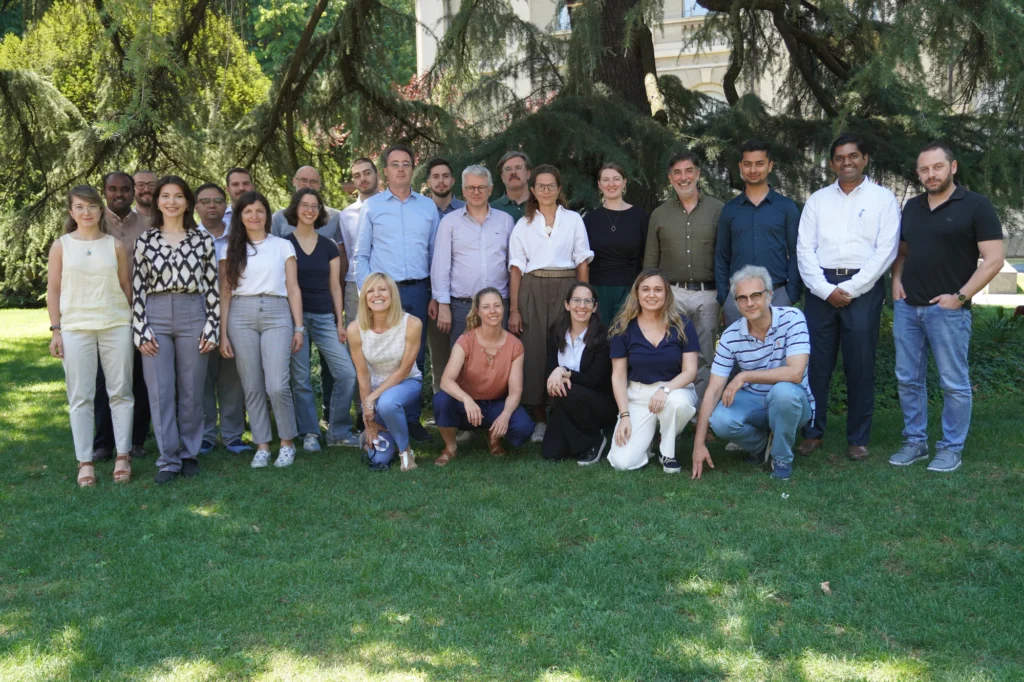
A multidisciplinary European–Indian partnership

BHARAT-EU brings together universities, research organisations, industries and SMEs with complementary expertise across the entire waste-to-renewable-hydrogen value chain.

The consortium combines expertise in process engineering, waste treatment, hydrogen technologies, digitalisation, safety, sustainability assessment and industrial exploitation.

22Project partners
10Countries
10Industrial partners
7Universities
5Research centres
2Coordinating regions
Project outcomes

Research, knowledge and open project results

Access the scientific, technical and educational outputs produced throughout the BHARAT-EU project.

Latest updates

Our recent news

Follow project meetings, scientific events, technical developments and dissemination activities.

More news
Stay connected

Keep up to date with BHARAT-EU

Subscribe to receive project news, publications, events and updates from the BHARAT-EU consortium.